본문
야훼가 말하기를
"내가 너의 악업을 대신 짊어질테니, 너는 플레이아데스로 가거라" 했다
그러나 나는 여전히 과거보다도 못한 놈으로 전락했고 짐승과 다를 바가 없는 놈으로 전락했으며 어린 놈들에게 어린 년들에게 조롱당하고 짓뭉개지고 있음이로다
야훼에게 묻노니, 내 대신 나의 모든 악업을 짊어졌다고 했는데 왜 이런지에 대해서 답변하라.
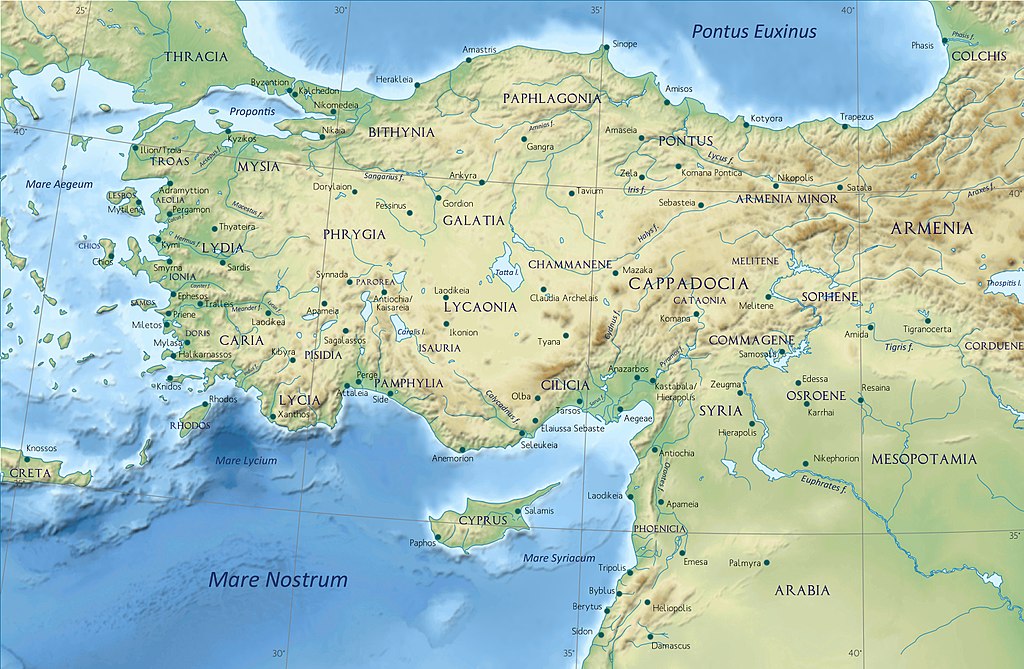
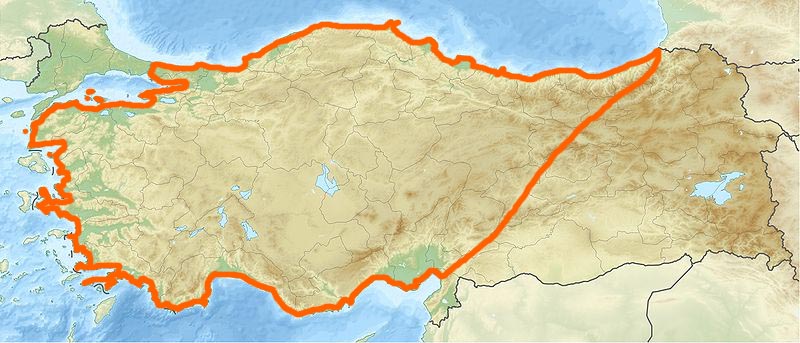
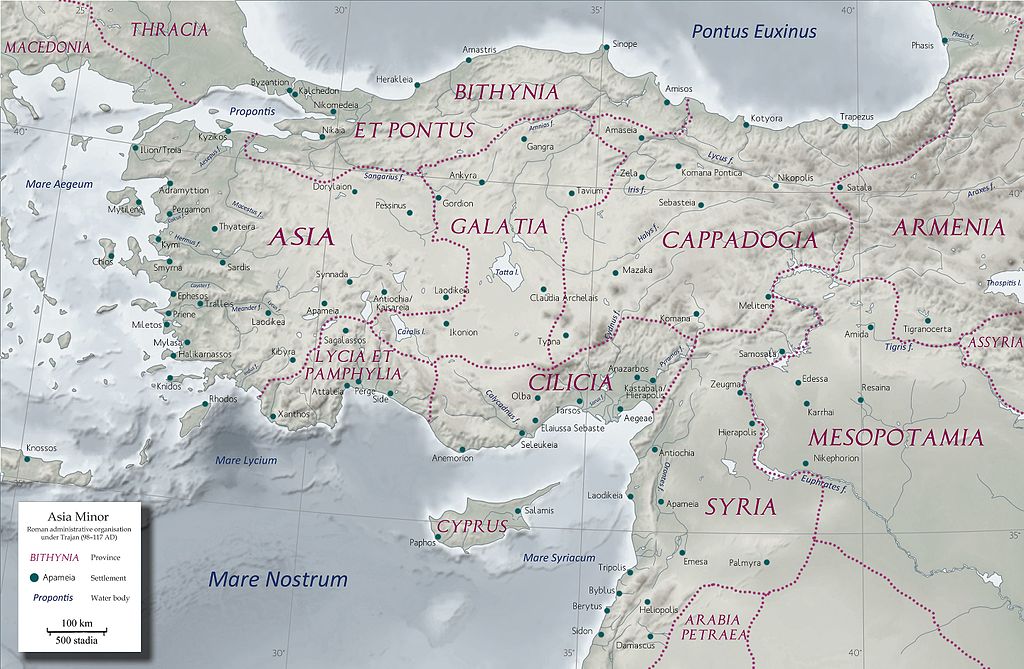
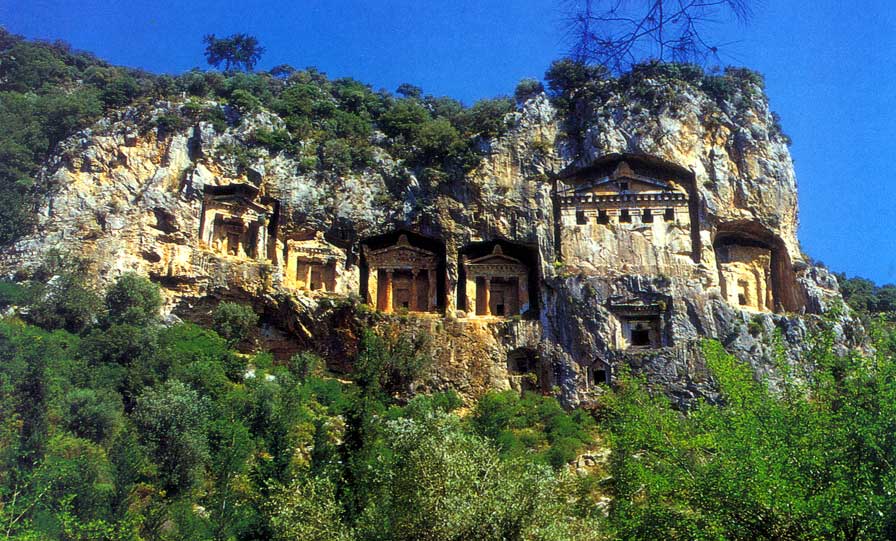
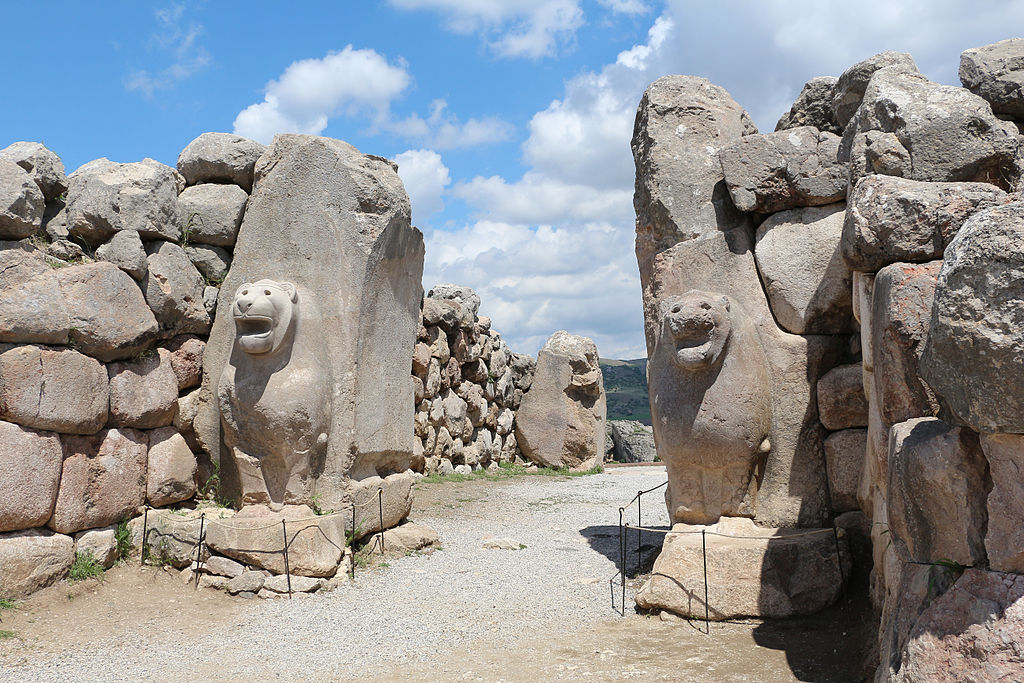
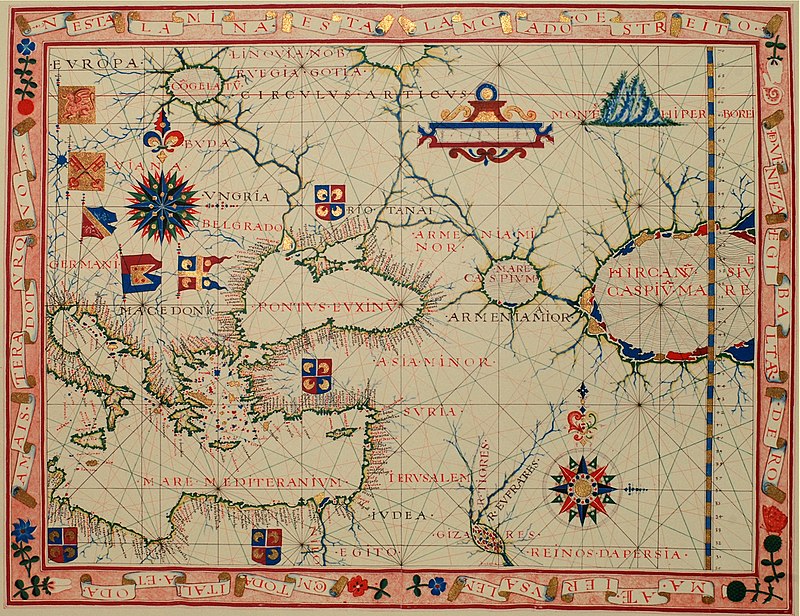
Anatolia ( Turkish: Anadolu, in Modern Greek: Ανατολία, from Ἀνατολή, Anatolḗ, pronunciation Anatolía – "east" or "(sun)rise";), in geography known as Asia Minor (Turkish: Küçük Asya, in Medieval and Modern Greek: Μικρά Ἀσία, Mīkrá Asía, pronunciation Mikrá Asía – "small Asia"), Asian Turkey, the Anatolian peninsula, or the Anatolian plateau, is the westernmost protrusion of Asia, which makes up the majority of modern-day Turkey. The region is bounded by the Black Sea to the north, the Mediterranean Sea to the south, and the Aegean Sea to the west. The Sea of Marmara forms a connection between the Black and Aegean Seas through the Bosphorus and Dardanelles straits and separates Anatolia from Thrace on the European mainland.
Traditionally, Anatolia is considered to extend in the east to a line between the Gulf of Alexandretta and the Black Sea to the Armenian Highlands (Armenia Major). This region is now named and largely situated in the Eastern Anatolia Region of the far north east of Turkey and converges with the Lesser Caucasus – an area that was incorporated in the Russian Empire region of Transcaucasia in the 19th century.[3][4] Thus, traditionally Anatolia is the territory that comprises approximately the western two-thirds of the Asian part of Turkey.
Anatolia is often considered to be synonymous with Asian Turkey, which comprises almost the entire country;[5] its eastern and southeastern borders are widely taken to be the Turkish borders with neighboring Georgia, Armenia, Azerbaijan, Iran, Iraq, and Syria, in clockwise direction.
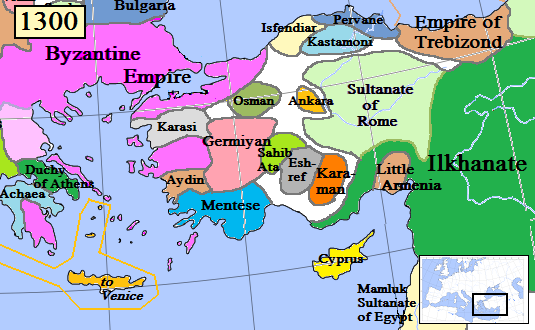
The ancient inhabitants of Anatolia spoke the now-extinct Anatolian languages, which were largely replaced by the Greek language starting from classical antiquity and during the Hellenistic, Roman and Byzantine periods. The Turkification of Anatolia began under the Seljuk Empire in the late 11th century and continued under the Ottoman Empire between the early 14th and early 20th centuries. However, various non-Turkic languages continue to be spoken by minorities in Anatolia today, including Kurdish, Assyrian, Armenian, Arabic, Laz, Georgian, and Greek. Ancient peoples in the region included Galatians, Hurrians, Scythians, Assyrians, Medes, Persians, Hattians, Cimmerians, Ionian Greeks, the Mongols and Arabs.


최근 댓글 목록